

The drip system, also known as drip irrigation or trickle irrigation, is a method of watering plants that delivers water directly to the root zone of plants. This method of irrigation has been widely adopted in hydroponics, a method of growing plants without soil, where it is known for its efficiency and effectiveness. The drip system is particularly beneficial in areas where water is scarce or expensive, as it minimizes water waste and ensures that plants receive the exact amount of water they need.
Hydroponics is a method of growing plants in a water-based, nutrient-rich solution, without the use of soil. The roots of the plants are supported using an inert medium such as perlite, rockwool, clay pellets, peat moss, or vermiculite. The basic principle behind hydroponics is to allow the plants’ roots to come in direct contact with the nutrient solution, while also having access to oxygen, which is essential for proper growth.
Components of a Drip System
The drip system in hydroponics is composed of several key components, each of which plays a crucial role in the successful operation of the system. These components include a water source, a water pump, a nutrient reservoir, drip lines, drip emitters, and a growing medium.
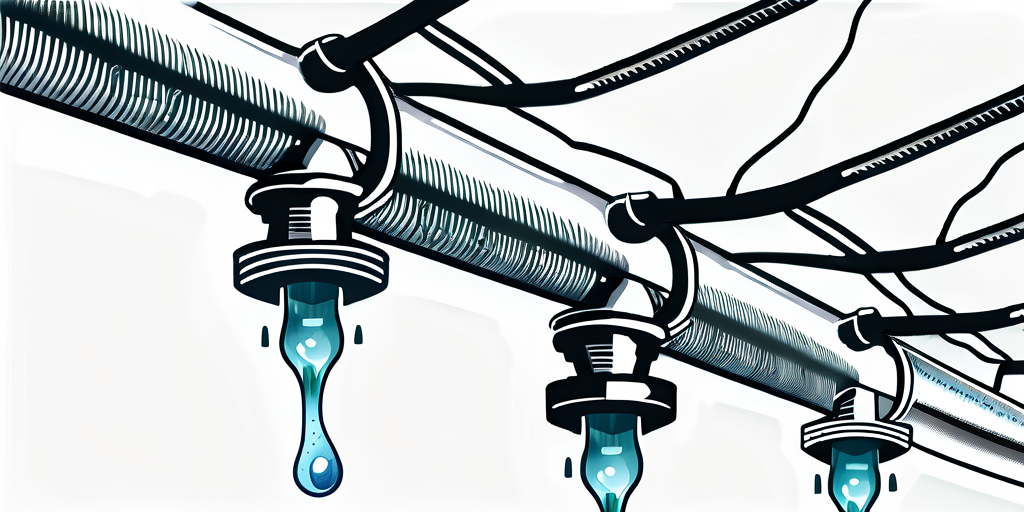
The water source is the primary source of water for the system. This could be a tap, a well, or a rainwater collection system. The water pump is used to pump the water from the source to the plants. The nutrient reservoir is where the nutrient solution is stored. The drip lines are the tubes that carry the water from the pump to the plants. The drip emitters are the devices that deliver the water directly to the root zone of the plants. The growing medium is the material in which the plants are grown.
Water Source
The water source for a drip system in hydroponics can vary depending on the specific setup and the availability of water. In some cases, tap water may be used, although it is important to note that tap water often contains chlorine, which can be harmful to plants. In other cases, a well may be used as the water source. Rainwater collection systems are also becoming increasingly popular as a sustainable and environmentally-friendly water source.
Regardless of the water source used, it is important to ensure that the water is clean and free from contaminants. Water testing kits are available to test the water for pH levels, hardness, and the presence of harmful substances. It is also important to consider the temperature of the water, as water that is too hot or too cold can harm the plants.
Water Pump
The water pump is a critical component of the drip system in hydroponics. The pump is responsible for moving the water from the water source to the plants. There are several types of pumps available, including submersible pumps, external pumps, and air pumps. The type of pump used will depend on the specific requirements of the system.
Submersible pumps are designed to be placed directly in the water source, while external pumps are designed to be placed outside of the water source. Air pumps, on the other hand, use air pressure to move the water. It is important to choose a pump that is powerful enough to move the water effectively, but not so powerful that it causes damage to the plants or the system itself.
How a Drip System Works
A drip system in hydroponics works by delivering water and nutrients directly to the root zone of the plants. This is done through a network of tubes and emitters, which are carefully positioned to ensure that each plant receives the exact amount of water and nutrients it needs.
The process begins with the water pump, which pumps the water from the water source to the nutrient reservoir. The water is then mixed with the nutrients to create a nutrient solution. This solution is then pumped through the drip lines to the drip emitters, which deliver the solution directly to the root zone of the plants.
Nutrient Delivery
In a drip system, the nutrient solution is delivered directly to the root zone of the plants. This allows the plants to take up the nutrients they need directly from the solution, without the need for soil. The nutrients used in a hydroponic system are typically in a form that is easily absorbed by the plants, which allows for faster growth and higher yields.
The nutrient solution is typically delivered to the plants on a schedule, which can be adjusted based on the specific needs of the plants. Some plants may require more frequent watering, while others may require less. The delivery schedule can also be adjusted based on the stage of growth of the plants, with younger plants typically requiring more frequent watering than mature plants.
Watering Schedule
The watering schedule in a drip system is an important factor in the success of the system. The schedule should be carefully planned to ensure that the plants receive the right amount of water and nutrients at the right time. Overwatering or underwatering can lead to a variety of problems, including root rot, nutrient burn, and stunted growth.
In general, it is recommended to start with a watering schedule of once or twice a day, and then adjust as needed based on the needs of the plants. The best time to water is usually in the early morning or late evening, when the temperature is cooler and the plants are less likely to experience heat stress. It is also important to monitor the moisture level of the growing medium to ensure that it is not too wet or too dry.
Benefits of a Drip System
There are several benefits to using a drip system in hydroponics. One of the main benefits is the efficient use of water. Because the water is delivered directly to the root zone of the plants, there is minimal water waste. This is particularly beneficial in areas where water is scarce or expensive.
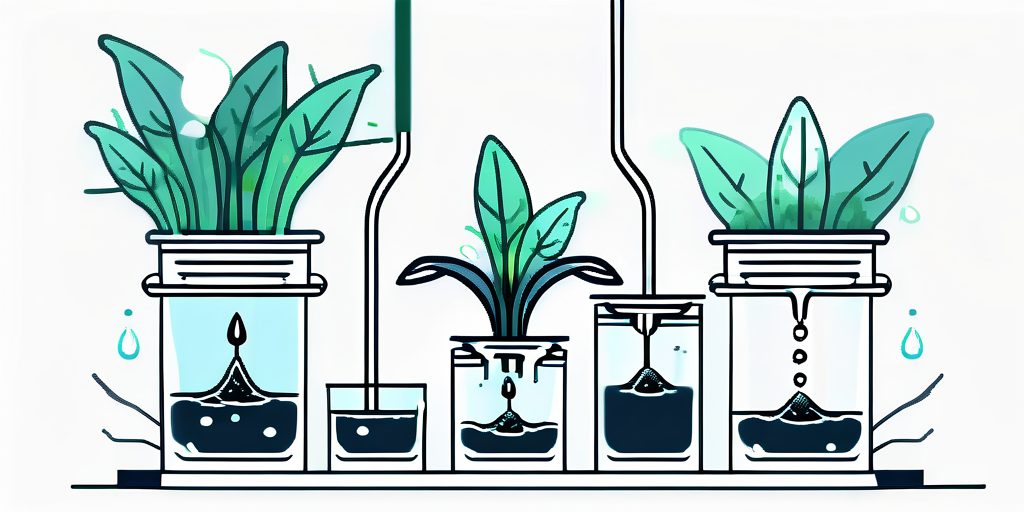
Another benefit of a drip system is the precise control it offers over the watering and nutrient delivery. This allows for the optimization of the growing conditions, which can lead to faster growth and higher yields. Additionally, because the water is delivered directly to the roots, there is less chance of disease and pest problems associated with overwatering or standing water.
Efficient Use of Water
One of the main benefits of a drip system is the efficient use of water. In traditional irrigation methods, a significant amount of water is lost to evaporation, runoff, and overspray. However, in a drip system, the water is delivered directly to the root zone of the plants, which minimizes water waste.
This efficient use of water makes drip systems particularly beneficial in areas where water is scarce or expensive. It also makes them a more sustainable choice, as they use less water than traditional irrigation methods. Additionally, because the water is delivered directly to the roots, there is less chance of disease and pest problems associated with overwatering or standing water.
Precise Control Over Watering and Nutrient Delivery
Another benefit of a drip system is the precise control it offers over the watering and nutrient delivery. In a drip system, the water and nutrients are delivered directly to the root zone of the plants. This allows for the optimization of the growing conditions, which can lead to faster growth and higher yields.
Because the water and nutrients are delivered directly to the roots, the plants are able to take up what they need, when they need it. This reduces the risk of nutrient burn, which can occur when plants are over-fertilized. It also allows for the adjustment of the nutrient solution based on the specific needs of the plants, which can improve the quality and quantity of the harvest.
Challenges of a Drip System
While there are many benefits to using a drip system in hydroponics, there are also some challenges that need to be considered. These include the initial cost of setting up the system, the maintenance required to keep the system running smoothly, and the potential for clogging of the drip emitters.
The initial cost of setting up a drip system can be quite high, particularly for larger systems. This includes the cost of the components, as well as the cost of installation. However, the long-term savings in water and nutrient costs can often offset the initial investment.
Maintenance
Maintenance is a crucial aspect of running a successful drip system. This includes regular cleaning of the system to prevent the buildup of algae and bacteria, as well as regular checks of the system to ensure that it is functioning properly. The drip emitters, in particular, need to be checked regularly to ensure that they are not clogged and are delivering the correct amount of water and nutrients to the plants.
Additionally, the water source and nutrient reservoir need to be monitored to ensure that they are clean and free from contaminants. The pH and nutrient levels of the water also need to be checked regularly to ensure that they are within the optimal range for the plants being grown.
Clogging
Clogging is a common issue in drip systems, particularly in systems that use organic nutrients. The small size of the drip emitters makes them prone to clogging, which can disrupt the delivery of water and nutrients to the plants. This can lead to uneven watering and nutrient delivery, which can negatively affect the growth and yield of the plants.
To prevent clogging, it is important to use a filter in the system to remove any particles that could clog the emitters. It is also important to clean the system regularly to remove any buildup of algae or bacteria. If clogging does occur, the emitters will need to be cleaned or replaced to ensure that the system continues to function properly.
Conclusion
In conclusion, a drip system is a highly efficient and effective method of watering plants in a hydroponic setup. It offers precise control over the watering and nutrient delivery, which can lead to faster growth and higher yields. However, it also requires careful maintenance and monitoring to ensure that it continues to function properly.
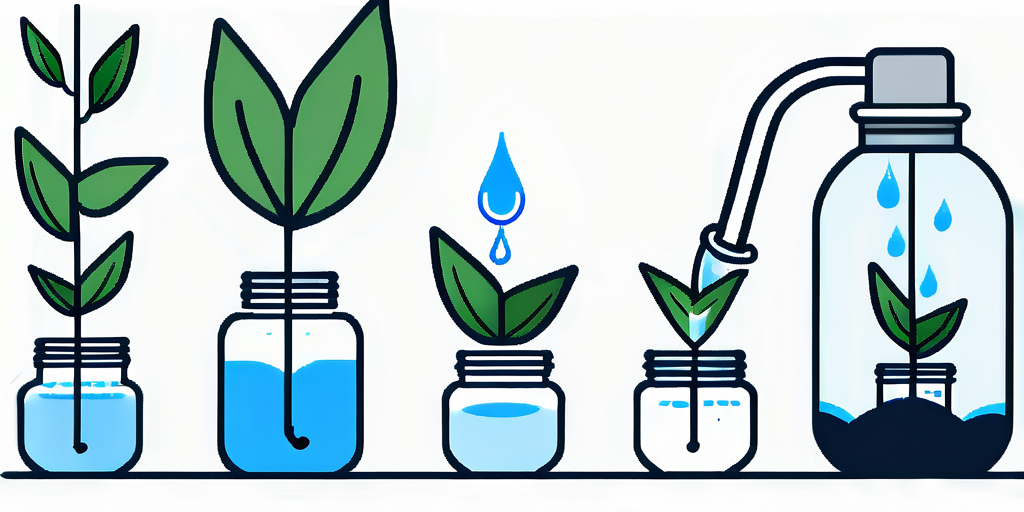
Despite the challenges, the benefits of a drip system in hydroponics make it a popular choice for many growers. With careful planning and maintenance, a drip system can provide a sustainable and efficient method of growing plants, even in areas where water is scarce or expensive.


